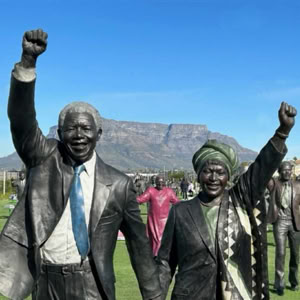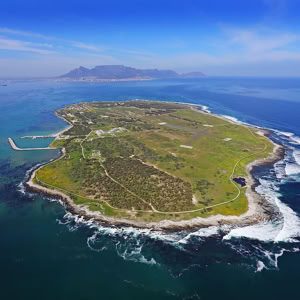
Long March to Freedom
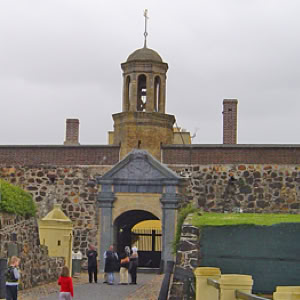
The Castle of Good Hope
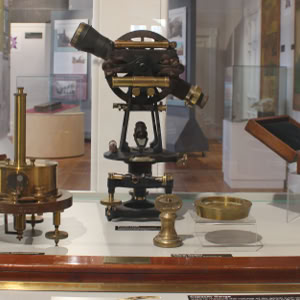
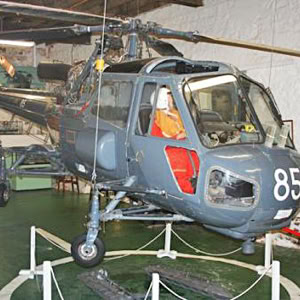
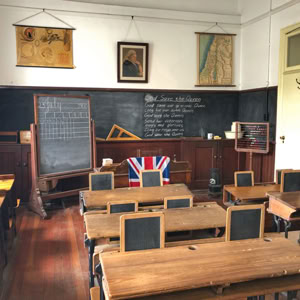
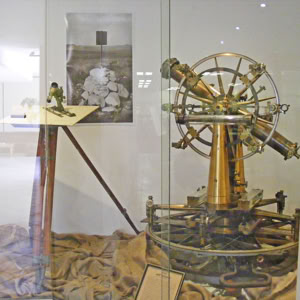
Within the Castle are three museums worth visiting. These include the Military Museum focusing on the Castle’s history, The William Fehr Collection which houses items and artwork that define the early Cape Colonial period and the Cape Heritage Museum which showcases the lives of the people of early Cape Town.
Location: Castle Street, Foreshore
Hours: Daily 9am-4pm.
Key Ceremony: Mon-Sat 10am-12pm
Firing of Signal Cannon: Mon-Sat 10am,11am, 12pm.
Guided Tours: 10am-12pm; resumes 2pm-3pm
Information: 021 461 4673/6• www.castleofgoodhope.co.za
Price: Small fee
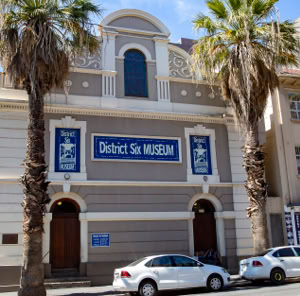
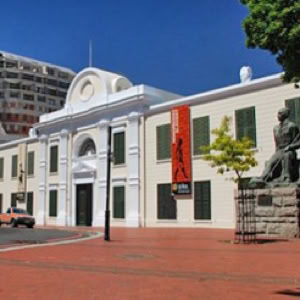
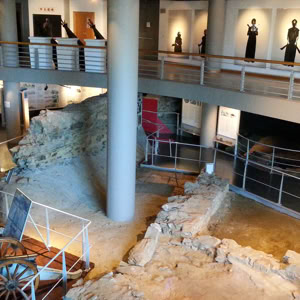
District Six Museum
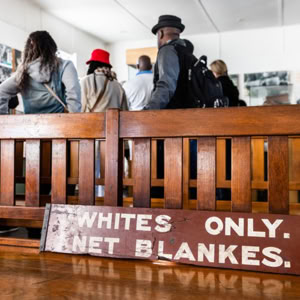
This museum (est. 1994) deals with the memory of the vibrant racially-mixed area named, in 1867, after the sixth municipal district of Cape Town. In 1901, the first wave of removals took place. In 1966, it was declared a White area under the Group Areas Act and all ‘non-Whites’ were forcibly removed. District Six was flattened by bulldozers.The District Six Museum tells of the memories, experiences and history of forced removals.
Location: 25A Buitenkant Street, CapeTown
Hours: Mon-Fri: 9am-4pm
Information: www.districtsix.co.za
Price: Free
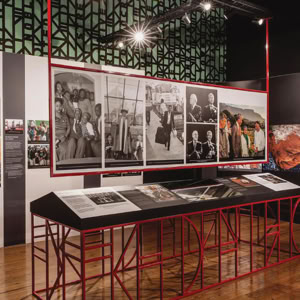
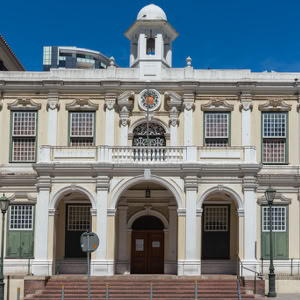
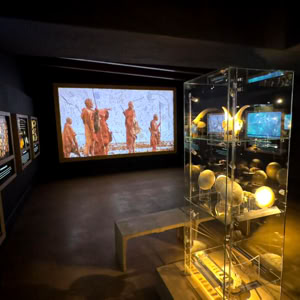
Nelson Mandela Legacy Exhibition
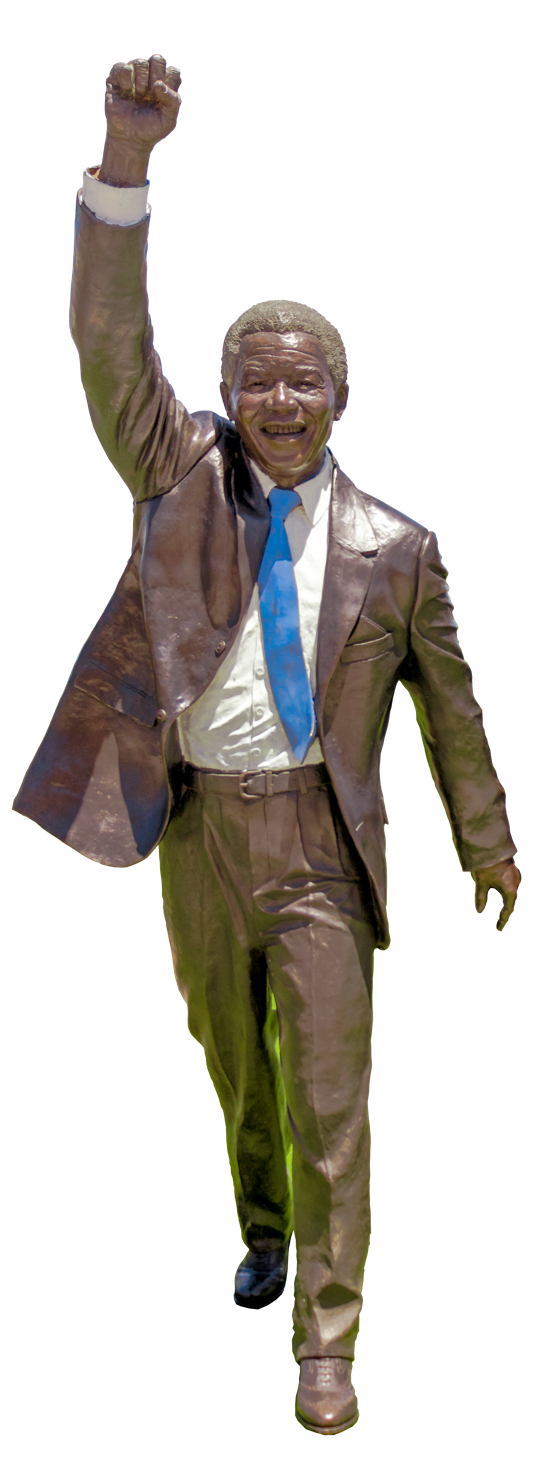
Cape Town City Hall presents a permanent exhibition detailing the legacy of late President Nelson Mandela. The museum-like exhibition includes a timeline of Mandela’s early days, his resistance to Apartheid, his time on Robben Island along with other struggle veterans, as well as his release on
11 February 1990 and subsequent speech delivered on the balcony of City Hall.
Location: Cape Town City Hall
Hours: Tue-Fri: 10am-4pm
Information: 086 010 3089
Price: Free.
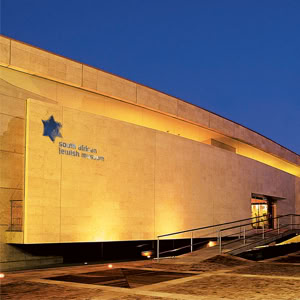
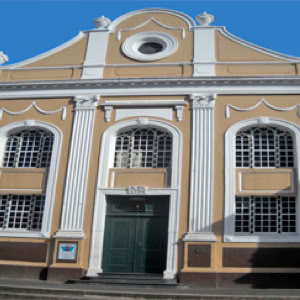
The South African Jewish Museum
Officially opened by Nelson Mandela in 2000, this museum, through the use of interactive and innovative multimedia displays, tells the story of South African Jewry from their earliest arrival in Southern Africa. The museum includes rare Judaica artifacts, a reconstructed Lithuanian village, animated
video footage and an exclusive award-winning documentary film Nelson Mandela, A Righteous Man. It also holds one of the world’s finest private collections of Netsuke (miniature Japanese art).
Location: Hiddingh Campus, Orange Street, Cape Town
Hours: Thu and Fri from 9am-4pm
Information: www.iziko.org.za/museums/bertram-house
Price: Small fee.
Cape Town Holocaust & Genocide Centre
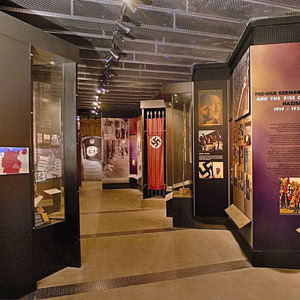
The Cape Town Holocaust & Genocide Centre, the oldest Holocaust Centre in Africa, explores the Holocaust, the origins of antisemitism, and the destruction of European Jewry, while examining genocides in Africa and the legacy of Apartheid. Through history and testimony, the Centre inspires empathy,
critical reflection, and a commitment to human rights and justice.
Location: 88 Hatfield Street, Gardens, City Centre
Hours: Sundays to Thursdays 10am-5pm, Fridays 10am-2pm. Closed on Saturdays and Jewish holidays
Information: www.holocaust.org.za
Tel: 021 462 5553
Price: Small fee.
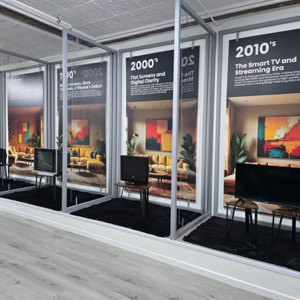
Museum of Illusions Cape Town
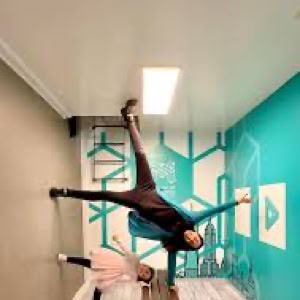
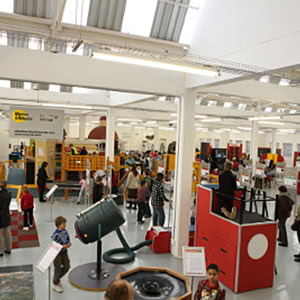
Visitors can expect 60 jaw-dropping illusions and mind-bending experiences, ideal for both young and old, at this globally renowned museum.The museum takes you on an extraordinary journey through the world of optical illusions, interactive installations and immersive rooms that challenge perceptions and ignite curiosity.
Location: 10 Kloof Street, Gardens, City Centre
Hours: Friday and Saturday 9am-10pm, Sunday to Wednesday 9am-8pm.
Information: www.moicapetown.co.za
Tel: 021 541 0744
Price: Fee.
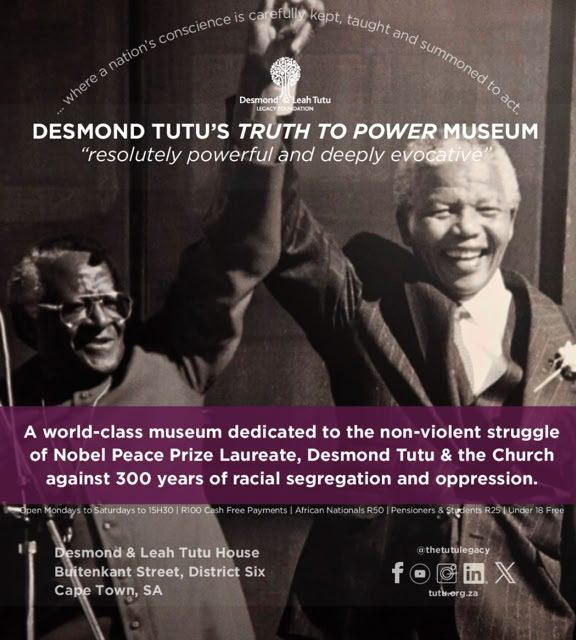
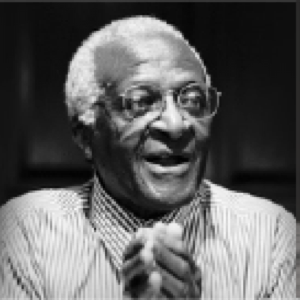
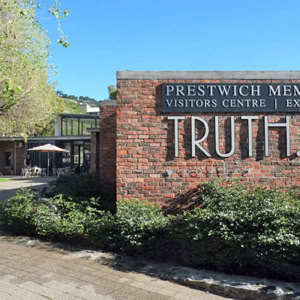
Desmond Tutu Truth to Power Museum
This world-class museum showcases the struggle against Apartheid through the church and the life and legacy of Nobel Prize winner, the late Archbishop Desmond Tutu. This museum also focuses on the healing process post-Apartheid with the advent of the Truth and Reconciliation Commission (TRC)
Location: Desmond & Leah Tutu House, 11 Buitenkant Street, District Six (Museum entrance Cnr Longmarket Street
Hours: Mon: 10.30am-3.30pm, Tues-Fri: 9.30am-3.30pm
Information: www.tutu.org.za
Price: Small fee (cash-free zone)
The Attic Exhibition
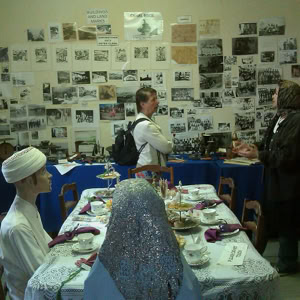
This exhibition gives visitors a chance to come and rummage through the city’s “attic”.The exhibition tells the story of the history and development of Cape Town, through the art and artefacts in the City’s collection. Together, they create a picture of the people, technology, ideas, and events, as well as the changing values of city governance, that have shaped Cape Town over the years.
Location: Cape Town City Hall
Hours: Mon-Fri 9am-3pm
Information: www.capetown.gov.za/TheAttic
Price: Free
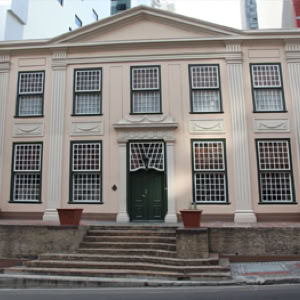
Rust en Vreugd (Iziko)
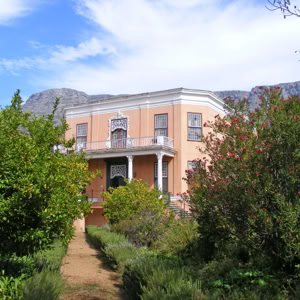
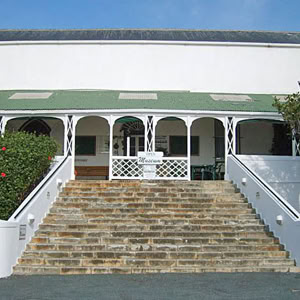
This house, which was once on the edge of town, reflects a prosperous late-1800s dwelling, when the Cape was still under Dutch rule. Rust en Vreugd was built in 1778 as a residence for the Dutch East India Company’s (VOC) Cape fiscal, Willem Cornelis Boers. It houses the William Fehr Collection of pictorial Africana which is a collection comprising superb watercolours, etchings and lithographs.
Location: 78 Buitenkant Street, Cape Town
Hours: Thu and Fri from 9am-4pm
Information: www.iziko.org.za/static/page/rust-en-vreugd
Price: Small fee.
Bertram House (Iziko)
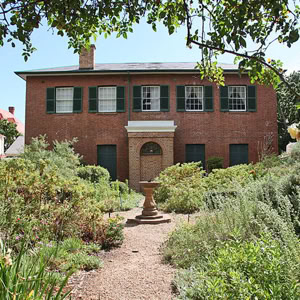
This house, situated at the top of Government Avenue, is the only remaining example of the English Georgian-style red brick houses that were once common in Cape Town. It was built in 1839 by an English immigrant and notary, John Barker, who named it in memory of his first wife, Ann Bertram Findlay. Everything within this house, from furniture to appliances, reflects the lifestyle of a prosperous,early 19th century English family.
Location: Hiddingh Campus, Orange Street, Cape Town
Hours: Thu and Fri from 9am-4pm
Information: www.iziko.org.za/museums/bertram-house
Price: Small fee.
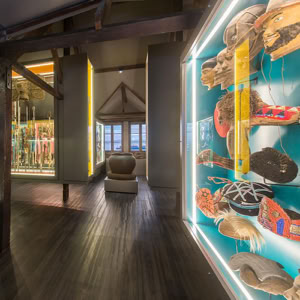
South African Museum (Iziko)
The oldest museum in sub-Saharan Africa, the South African Museum was established in 1825. It has been adding to its collections for nearly 200 years. The main focus is on South African material and the cultural heritage of our indigenous populations, as well as local dinosaurs, whales, animals, birds, fossils and more.
Location: In the Company’s Garden off Queen Victoria Street.
Hours: Daily 10am-5pm. Closed: Workers’ Day and Christmas Day
Information: www.iziko.org.za/museums/south-african-museum
Price: Small Fee.
Planetarium and Digital Dome (Iziko)
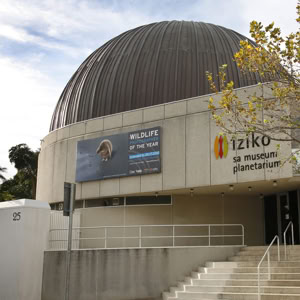
This Planetarium was opened in 1987 and, with numerous upgrades to a Digital Dome in 2017, it has become the most advanced digital planetarium on the African continent. Besides exploring our universe, this multi-sensory edutainment full dome theatre, through animation and 360-degree cinema, also explores the inner workings of the human body or the intricacies of what makes an atomic structure possible.
Location: Within the South African Museum, The Company’s Garden off Queen Victoria Street.
Hours: Tues to Sun from 9am-5pm
Information: www.iziko.org.za/museums/south-african-museum
Price: Small Fee.
Oudshoorn also became an important railway junction, starting in the late 1800s, that connected Gorge, Gqeberha and the hinterland. All was not boom for the inhabitants of the region after the collapse of the feather industry. Milliners became paupers and extended droughts, floods and epidemics took their toll.
In recent times, the area has revived itself as an important tourist destination as part of the Garden Route loop, as well as boasting the longest wine route in the world, Cango Caves and many private game reserves which are in a malaria-free zone with some home to the Big Five African animals.
Route 62 Road Trip
Cogmanskloof
This has to be one of the most spectacular gateways to any region in the world with the towering Langeberg Mountain (Long Mountain) flanking a narrow passage created by the Kingna River. Geologists speculate that the river was here long before the rising mountain range but kept pace through erosion. This gap through the mountain is considered a poort and not a pass as ittends to hug the valley floor with very little gradient. A pass has a much higher gradient ratio and utilises higher ground on either side of the canyon and can cross over ridge lines and mountain tops. Cogmanskloof was first used as a footpath by the Khoi and, thus, was named after the local clan of the area in 1701.
European settlers also used it as a footpath until ThomasBain’s developed the first road in 1873 as there were numerous impassable sections for wagons to travel due to high waters and flooding.
The new road one drives on today was built in 1953 and was upgraded in 2025. The highlights in this kloof are the historical unlined tunnel, the remains of Bain’s old road which can be seen on the right just before the tunnel, the old British fort,‘Sidney Fort’, built on Kalkoenkrans to keep the Boers out of the Cape during the Second Anglo-Boer War and the superb examples of folded rock that are now vertically positioned. It was these rocks that made Montagu a rock climbing mecca with its first traditional climb in 1971 and, later, the home of sports climbing in South Africa starting from the early 1980s.
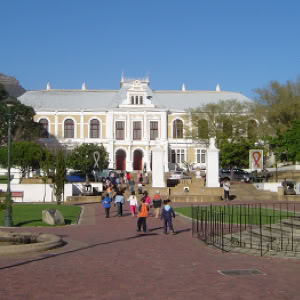
Montagu
After leaving Cogmanskloof, you enter the beautiful colonial town of Montagu, the oldest European settlement in the Klein Karoo. In 1744, the first farm was established via the Koo Valley by the widow van der Merwe. In 1850, the farm, De Uytvlugt, was sub-divided to create a village. This made it one of the very few towns not established around a church (kerkdorp).
Towerkop, the most prominent peak on Route 62
At this time, farmers moved away from cattle grazing to crop growing to take advantage of the fertile valley fed by the Kingnaand Keisie Rivers. The town was known as Agter de Cogmans Kloof until it was renamed in 1851 after John Montagu, the Colonial Secretary at the Cape. Today, you will see a town that is filled with beautiful historical buildings showcasing Cape Dutch, Victorian and Georgian architecture.
Along with its first and main attraction, the hot springs, which acquired its first bath house in1873, the town offers many outdoor activities such as rock climbing, hiking, biking, golf, restaurants, art galleries, wine tours, birding, game drives, a museum, San rock art and historical walks and rides.
When leaving Montagu towards Barrydale, you will notice a slow climb out of the Montagu catchment basin area where you cross a watershed at the Op de Tradouw Pass. Fromhere, you follow the Tradouwrivier down to the Barrydale catchment area where the river breaches the Langeberg mountain through the Tradouw Pass.
Barrydale & Tradouw Pass
This was the second logical place for a town to be established on today’s R62 as it lies in a bowl funnelling the surrounding rivers through the Langeberge via the Tradouw gorge and also gave the settlers faster access to markets to Cape Town through this pass at a later date. This kerkdorp was built, in part, on the farm ‘Tradouwshoek’ (mid 1700s). Even though this settlement wasfirst established via Cogmanskloof and Platte Kloof, it truly took off once a decent wagon road was built through the pass in 1873 by Thomas Bain.
The town is said to be named after Joseph Barry who was the most dominating businessman in the Klein Karoo and Overberg because of his shipping enterprise on the Breede River and his own private printed money. It was 8 yearsafter Barry’s death that the Southey’s Pass was opened but the locals preferred the original name ‘Tradouw’ (meaning “the women’s poort” in Khoi) and the town grew from a farmer’s hub to a residential town.
Today, most through-visitors usually stop at the iconic restaurants on the R62 above the town but a quick detour into the town will reveal quaint streets with a Britishcolonial feel, interesting shops, lodges, restaurants, art galleries, a proud 1908 church and one of the best second-hand bookshops in the Western Cape. Along with these, a visit to the Barrydale Hand Weavers factory should be a must.
Ladismith
After leaving the Barrydale valley, you cross over a ridge line defining another water catchment area with all the rivers now draining east. The road now crosses the Klein Karoo valley and is the longest part of the R62 without settlements. The highlight of this section of the road is the arid, yet beautiful, landscape of the rounded Bokkeveld shale hills contrasted against the giantrugged quartzite mountains of the Swartberg range, and the freestanding Warmwaterberg and Touwesberg, the leftovers of the Cape fold belt. Ronnie’s Sex Shop, 26 km outside Barrydale, is a popular pitstop with an interesting backstory, a prank that put it on the map.
The NG Kerk Kangovalleie at Schoemanshoek
Ladismith is reached in less than an hour with the iconic backdrop of the Towerkop Peak. There are twointeresting tales about this peak. Firstly, it is thought that the name comes from a legend that a witch was flying over the mountain and the peak got in the way so she split the mountain in two so she could pass through it. The second but verified story is about a young local man, Gustav Nefdt, who was the first person to climbTowerkop in 1885. He had solo-climbed the routewith no rope and, at the time, it could be considered one of the hardest technical rock climbing routes in the world.
It took the Mountain Club of South Africa 46 years to repeat his route.Ladismith is a very interesting town with many stories. In 1770, it was the most northern outpost of the Cape Colony; it became independent from Dutch rule for 4 months in 1795alongside the Swellendam revolt. By 1850, the farmers in the area were meeting in Oom Balters Kloppers’ shed for church. Land was purchased from him which became ‘Lady Smith’ (named after Sir Harry Smith’s wife). The name changed to Ladismith in 1879 to stop the confusion with the same name used in then-Natal. Because it is considered a kerkdorp (the focal point of thetown), the old church was replaced with a new spectacular church, built by the master church builder, Carl Otto Hager, in a Cape Gothic style. He constructed the new church around and over the old church so as to not disrupt services and disassembled the old church inside.
Hand feeding ostriches at Highgate
Meerkat
The red hills of Rooikrans
Ladismith was also the first and only town east of Callitzdorp to get a railway line in 1925 but, in 1981, agreat flood destroyed a large portion of the line which was never replaced. Today, this little town is worth a visit and not only as a pit-stop through to the next town. From many get-away spots, outdoor activities, cellar visits, to taking in the unique architecture of the town which has acquired its own name: ‘Ladismith style’.
Calitzdorp
On leaving Ladismith, you pass the turn off to Seweweekspoort which is an experience in itself, but closer to the R62 is Zoar, the oldest mission town in the Klein Karoo (1817). Close by is Amalienstein (1853), another mission station. These mission stations served the indigenous population and ex-slaves who had been forced off open land mainly by the ‘Caledon Code’ of 1809.Back on the R62, your journey takes you through the Huisrivier Pass which was the key to the establishment of the R62.
The first pass was built in 1897 and can still be traced on the hillside above the new 1996 tarred road. This pass drops you down a few hundred metres to the next geological level of the Klein Karoo. Calitzdorp, the port wine capital of South Africa, is reached atthe bottom of the pass. This area, on the junction of two rivers, is fertile compared to the surrounding arid Klein Karoo landscape. In 1757, J Pretorius settled in this area and later, in 1821, so did JJ and MC Calitz.
With The Calitz’ ever-growing family, the town became known as ‘Calitz Dorp’. The settlement became a kerkdorp in 1873. Over the years, the town grew mainly on the back offarming wine, brandy, tobacco, wheat, vegetables and fruit. The town had its fair share of booms and busts; the booms included the ostrich feather boom and the busts as a result of excessive drought and epidemics. A railway line was built in 1924 to Oudtshoorn to help get the town back on its feet. Today, it is still a farming area but has attracted retirees and tourists withits beautiful setting, vernacular architecture, wine tasting and slow pace of life.
Oudtshoorn
15 km after leaving Calitzdorp on the R62, keep your eyes on the left for the Rooikrans (Redstone Hills). It is worth driving down this gravel road to get up close to one of the finest conglomerate rock formations in South Africa. Back on the R62, you pass De Hoop (1908) with its conspicuously oversized church for its small community. This settlement was founded on theostrich feather boom. Another 15 km on from De Hoop, you arrive at the capital of the Klein Karoo.
This is not the oldest settlement in the valley, but it gained the most importance, being the major crossroad and thoroughfare from the Cape to the north. It also became the hub of the ostrich feather empire, the commercial centre in the region and also an important tourismdestination as far back as the 1800s with the discovery of the finest cave system in Africa. The town was first called Hartebeestenfontein where a church was founded in 1839.
The name ‘Oudtshoorn’ (1849) either came from the newly appointed Cape governor in 1772 (he died on the voyage on the way to the Cape) or after the wife of the firstCommissioner of George (which this region fell under). Today, one can visit the many attractions that hark back to its golden years when it was one of the richest towns in South Africa, from the ostrich palaces, historical public buildings, ostrich show farms, numerous passes and poorts and Cango Caves, still its number one attraction.
Added to these old attractions, many moretourism-related businesses over the years have come on board to enrich visitors and add variety. These have come mainly in the form of animal encounters, game reserves, wine routes and outdoor pursuits. Oudtshoorn is well placed for day trips to the surrounding areas such as Cango, Rust en Vrede Waterfall and Meiringspoort.
The jewel of the Klein Karoo, the spectacular Cango Caves are the biggest show caves in Africa
The Art Nouveau Mimosa Lodge in Oudtshoorn is one of the fine examples of an Ostrich Palace built using local Kirkwood stone
De Rust
De Rust (‘The Rest’), on the N12, became a favourite place to ‘outspan’ near a mountain spring. It was established in 1900, making it the youngest town in the Klein Karoo, on a portion of the farm belonging toPetrus JohannesMeiring. Although it is small, De Rust is a convenient travel base. From here you can do all manner of day trips to places like Prince Albert, Oudtshoorn, Klaarstroom, the Swartberg Pass and beyond. There are various walking and cycling trails as well as attractions such as vineyards and olive farms.It is well known for its Victorian architecture.
Jackal Buzzard. The Klein Karoo is a bird-watching paradise
Elephant at Buffelsdrift
Giraffe at Buffelsdrift
Lion at Buffelsdrift
The Klein Karoo has the highest concentration of mountain passes in South Africa. Most of these passes can be navigated using a normal car on tarred or well-maintained gravel roads.
Cogmanskloof Pass
This 6.5 km pass, technically a poort (as it follows the riverbed), is found between Ashton and Montagu. The pass, with hardly any gradient, is named after a Khoi chiefdom. A meaningful road was built by Thomas Bain between 1873-1877. The highlights of this tar road pass are the spectacular folded rock formations, world renowned sports climbing area, the historical unlined tunnel and the 1899 British fort.
Tradouw Pass
This pass derives its name from the Khoi, meaning ‘footpath of the women’. The orginal pass from Barrydale to Suurbraak was built by Thomas Bain in 1869 -1873 and has been revamped as a tar road. It is a 16 km breathtaking pass with an altitude range of 219 m. The pass was commissioned to service the farmers of the Klein Karoo with a direct route to Port Beaufort on the Breede River where Joseph Barry’s shipping industry could take their products directly to market in Cape Town.
Seweweekspoort
This 17 km pass through the Swartberg Mountain connects the Klein Karoo to the Groot Karoo and was constructed by Adam de Smidt from 1859 -1862. This magnificent narrow gravel road pass, with its towering folded cliff faces, multiple river crossings and tight gorge, can be driven using a normal car today. It is said that this pass is named after Reverend Louis Zerwick who served at the Zoar Mission Station close to Ladismith or after the seven-week's fern that grows within its gorge.
Swartberg Pass
It is asserted that this was Thomas Bain's final and best piece of road building, fulfilling a need, in the late 1800s, for a direct route from the Karoo through Oudtshoorn and onto Mossel Bay. He built this pass between 1883-1886 with a gradient of 1 to 8 through tight gorges flanked by massive cliff faces and with impressive hairpin bends and switchbacks to gain the summit. The 23,8 km gravel-surfaced pass today follows Bain’s original line and can be driven using a normal car.
Tradouw Pass
This pass derives its name from the Khoi, meaning ‘footpath of the women’. The orginal pass from Barrydale to Suurbraak was built by Thomas Bain in 1869 -1873 and has been revamped as a tar road. It is a 16 km breathtaking pass with an altitude range of 219 m. The pass was commissioned to service the farmers of the Klein Karoo with a direct route to Port Beaufort on the Breede River where Joseph Barry’s shipping industry could take their products directly to market in Cape Town.
LANGEBERG & OUTENIQUA MOUNTAINS
Cogmanskloof Pass • Tradouw Pass • Garcia’s Pass • Cloete’s Pass & Jan Muller Pass • Robinson Pass • Outeniqua Pass • Montagu Pass
SWARTBERG MOUNTAIN
Seweweekspoort • Swartberg Pass • Meiringspoort
PAARDENBERG
Huisrivierpas
Notes
All information is given in good faith but, as times and facilities may change, the author and publisher cannot be held responsible for any inaccuracies. Proofreading: Shelley Woode-Smith • Citations available on request • Thanks to Kate Woode-Smith for the road trip, advise and some of the photographs. © Richard Smith • Gateway Guides
Edition 1 • 2025